Africa stands at a pivotal crossroads in the global energy transition. Boasting some of the world’s richest solar, wind, hydro, and geothermal resources, the continent possesses an unparalleled capacity to redefine its economic future through clean power. However, despite housing roughly 60% of the world’s best solar resources, Africa currently accounts for a mere fraction of global renewable energy capacity. Transitioning from raw potential to operational infrastructure is not just an environmental target; it is an urgent socio-economic imperative that can drive industrialization, power local businesses, and extend electricity to millions currently living without it.
Unlocking Africa’s Renewable Energy Potential
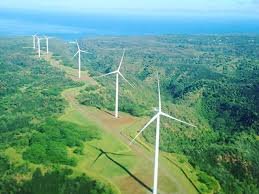
The sheer scale of Africa’s natural energy assets is unmatched globally. The Sahara and Sahel regions receive some of the highest solar irradiance on Earth, while the East African Rift Valley holds vast, steady geothermal reservoirs capable of delivering reliable baseload power. Additionally, coastal stretches across North and Southern Africa offer world-class wind corridors, and the central river basins offer extensive, untapped hydroelectric capacity. By harnessing these localized resources, African nations can construct diversified, resilient energy portfolios that reflect their unique geographic advantages.
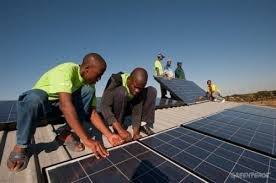
Distributed renewable energy solutions are revolutionizing rural electrification, allowing the continent to leapfrog traditional power infrastructure much like mobile phones bypassed landline networks. Off-grid solar kits and localized mini-grids are rapidly bringing electricity to remote regions where expanding centralized national grids remains financially unfeasible. Innovative business models, such as Pay-As-You-Go (PAYGO) powered by mobile money, have democratized clean energy access, proving that off-grid renewables can be both socially transformative and commercially viable.
At the macro level, ambitious utility-scale installations demonstrate that Africa can deliver world-class infrastructure projects. Landmark developments like Morocco’s Noor Ouarzazate Solar Complex, Egypt’s Benban Solar Park, and Kenya’s Lake Turkana Wind Power project showcase the viability of large-scale clean power on the continent. Supported by regional integration efforts like power pools and the African Single Electricity Market, these flagship developments are laying the groundwork for cross-border clean energy trading, allowing countries to export surplus green power to their neighbors.
Main Challenges in African Clean Power Projects
Despite significant momentum, renewable energy developers face substantial headwinds, chief among them being financial and investment barriers. The high cost of capital across many African markets—driven by macroeconomic instability, currency devaluation, and elevated perceived risk—makes initial project development disproportionately expensive compared to developed regions. Furthermore, a shortage of local currency financing forces developers to rely on foreign debt, exposing projects to severe exchange rate volatility that can compromise long-term economic viability.
Grid infrastructure deficiencies and off-taker risks present another set of critical bottlenecks. Many national transmission and distribution grids are aging, inefficient, and ill-equipped to manage the variable generation associated with large-scale solar and wind power. Additionally, state-owned utilities, which typically act as the primary off-takers for Independent Power Producers (IPPs), often face financial distress. This instills doubt regarding their ability to honor long-term Power Purchase Agreements (PPAs), frequently requiring lengthy negotiations for government guarantees before projects can reach financial close.
Finally, regulatory ambiguity and institutional capacity constraints continue to stall project execution across the continent. Fragmented policy frameworks, cumbersome land acquisition procedures, and unpredictable permitting processes increase development expenditures and deter long-term foreign direct investment. Overcoming these hurdles requires concerted efforts to standardize contract structures, streamline regulatory approval processes, and strengthen the institutional capacity of public sector agencies to effectively negotiate and execute modern power contracts.
The path toward a clean-powered Africa is challenging, yet the potential benefits for the continent and the world are immense. Navigating the financial, technical, and regulatory hurdles demands coordinated action between African governments, private sector investors, and international development finance institutions. By scaling up blended finance mechanisms, modernizing power grids, and fostering predictable policy environments, Africa can turn its vast natural resource wealth into reliable electricity. In doing so, the continent will not only accelerate its own sustainable economic growth but also emerge as a key leader in the global green energy transition.